English
 français
 русский
 español
 português
 العربية
 Türkçe
 ไทย
ไทย Tiếng việt
 chinese
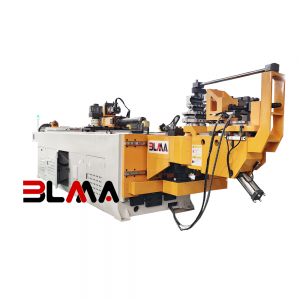
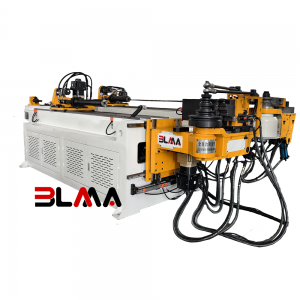
CNC Tube Bending for Furniture Manufacturing: How Modern Furniture Makers Improve Efficiency and Design Flexibility
The furniture industry is experiencing significant changes as manufacturers move toward lightweight structures, modern designs, and efficient production methods. One of the key technologies supporting this transformation is CNC tube bending.
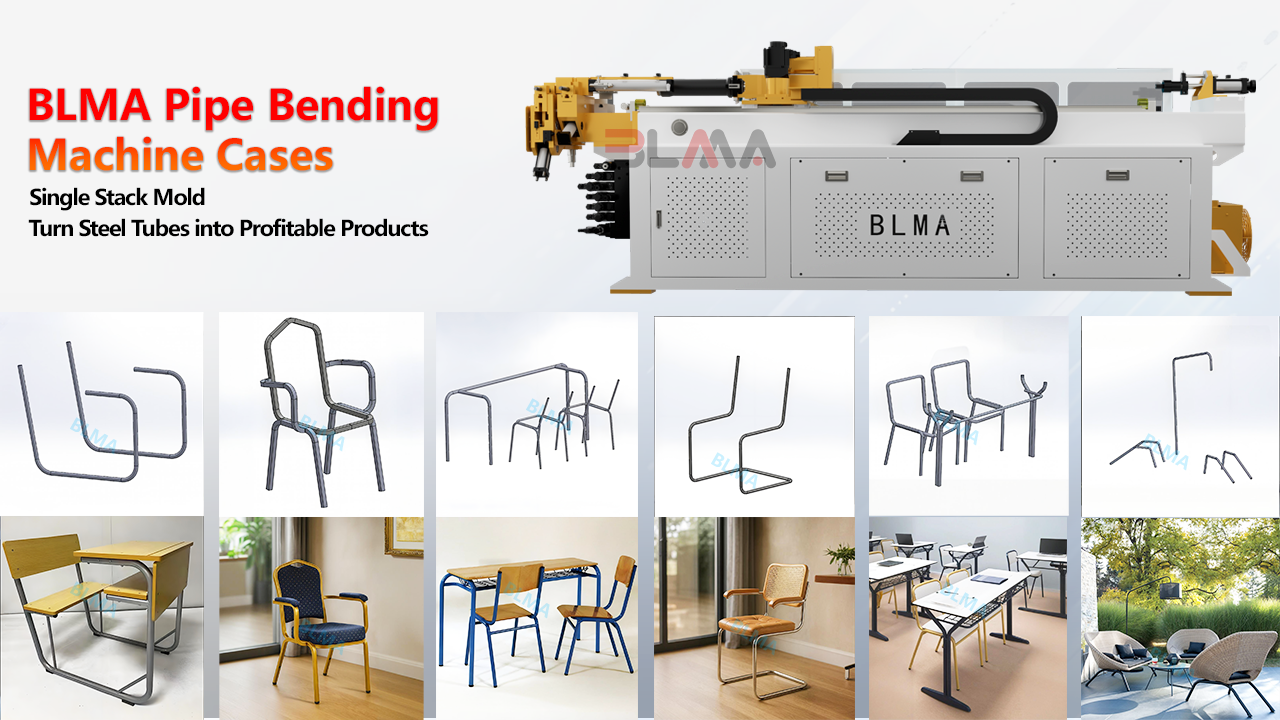
Tube bending is widely used in furniture manufacturing because it allows manufacturers to create strong, lightweight, and visually appealing furniture structures. Compared with traditional welding-based fabrication, tube bending reduces production steps and improves consistency.
As furniture designs become more complex, CNC tube bending machines are becoming increasingly important for modern furniture manufacturers.
Why Tube Bending Is Essential in Furniture Manufacturing
Modern furniture designs require smooth curves, ergonomic structures, and minimal welding. Tube bending makes these design requirements possible while maintaining structural strength.
Common advantages of tube bending in furniture manufacturing include:
- Reduced welding points
- Improved structural strength
- Smooth and modern design
- Lightweight furniture structures
- Increased production efficiency
These benefits make tube bending a preferred solution for many furniture manufacturers.
Single Layer Tube Bending for Standard Furniture Production
Single-layer tooling is commonly used for standard furniture components such as chair frames, table legs, and simple sofa structures. These applications typically require consistent bending angles, repeatable production, and smooth surface quality.
Single-layer tooling is especially suitable for high-volume furniture manufacturing, where repeatability and efficiency are critical.
Single-layer tooling example:
https://youtu.be/Vx6Y0C4Xeqc
This type of tube bending is widely used in:
- Chair frame manufacturing
- Office furniture production
- Dining chair structures
- Standard metal furniture components
Single-layer tube bending helps manufacturers improve efficiency, reduce setup time, and maintain stable production quality.
Multi Layer Tube Bending for Complex Furniture Structures
As furniture designs become more advanced, manufacturers often require greater flexibility. Multi-layer tooling allows multiple bending operations without changing tools, significantly improving production efficiency.
Multi-layer tube bending is suitable for:
- Complex furniture frames
- Multi-radius bending
- Symmetrical structures
- Flexible production requirements
Multi-layer tooling example:
https://youtu.be/e9FrKMmqL2g
Multi-layer tooling helps reduce downtime, improve productivity, and enable more complex furniture designs.
Common Furniture Products Using Tube Bending
CNC tube bending is widely used in various furniture products.
Chair Frame Manufacturing
Chair frames often require multiple bends and symmetrical structures. Tube bending helps create:
- Office chair frames
- Dining chair frames
- Public seating structures
- Industrial seating frames
High precision is essential to ensure proper assembly and stability.
Sofa Frame Tube Bending
Sofa frames often require complex bending shapes and smooth curves. These applications require:
- Multi-radius bending
- Smooth surface quality
- Consistent production
CNC tube bending machines help manufacturers achieve these requirements.
Table and Desk Frame Bending
Tube bending is widely used in:
- Office desks
- Dining tables
- Coffee tables
- Industrial workstations
Bent tubes help reduce welding and improve structural strength.
Outdoor Furniture Tube Bending
Outdoor furniture often uses:
- Stainless steel tubes
- Aluminum tubes
- Coated steel tubes
Tube bending helps create durable and visually appealing outdoor furniture.
Challenges in Furniture Tube Bending
Despite its advantages, furniture tube bending presents several challenges.
Thin Wall Tube Bending
Furniture manufacturers often use thin-wall tubes to reduce weight. However, thin-wall tubes are more prone to:
- Wrinkling
- Flattening
- Surface deformation
Advanced CNC tube bending machines help prevent these issues.
Tight Radius Bending
Modern furniture designs often require tight bending radii. Small radius bending increases technical difficulty and requires:
- Stable machine structure
- High precision control
- High-quality tooling
CNC tube bending machines help maintain consistent bending quality.
Surface Quality Requirements
Furniture components are often visible in the final product. Therefore, surface quality is critical.
Manufacturers must avoid:
- Scratches
- Wrinkles
- Surface marks
- Deformation
Proper tooling and CNC control systems help improve surface quality.
CNC Tube Bending Machine Advantages for Furniture Manufacturing
CNC tube bending machines provide several advantages:
- High precision bending
- Improved repeatability
- Reduced manual labor
- Faster production
- Flexible production capability
These advantages help furniture manufacturers improve productivity and reduce costs.
Future Trends in Furniture Tube Bending
The furniture industry is moving toward:
- Lightweight furniture
- Modern curved designs
- Automated production
- Flexible manufacturing
CNC tube bending technology will continue to play an important role in future furniture manufacturing.
Conclusion
CNC tube bending has become a key process in modern furniture manufacturing. From chair frames to complex furniture structures, advanced tube bending machines help manufacturers improve efficiency, quality, and flexibility.
As furniture design continues to evolve, CNC tube bending solutions will become increasingly important for furniture manufacturers worldwide.
Single-layer tooling example:
https://youtu.be/Vx6Y0C4Xeqc
Multi-layer tooling example:
https://youtu.be/e9FrKMmqL2g