English
 français
 русский
 español
 português
 العربية
 Türkçe
 ไทย
ไทย Tiếng việt
 chinese
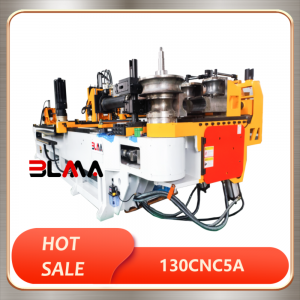
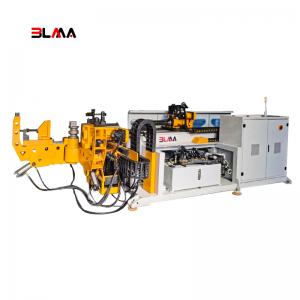
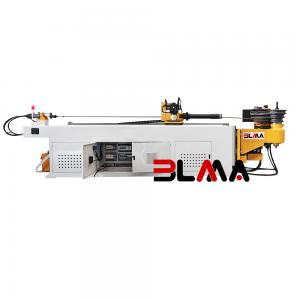
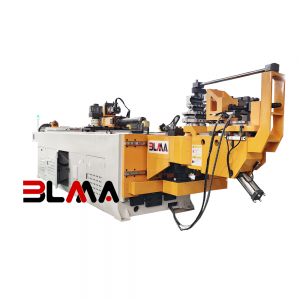
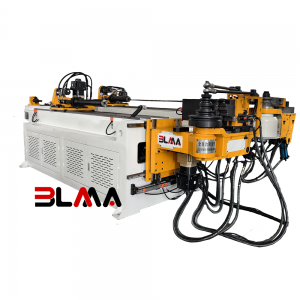
CNC Tube Bending Tooling Explained: Bending Die, Mandrel, Wiper Die and Multi-Layer Tooling Installation
In CNC tube bending, tooling plays a critical role in achieving high precision bending results. Even with advanced CNC tube bending machines, improper tooling setup can cause wrinkles, flattening, or deformation.
Understanding tube bending tooling components helps manufacturers improve bending quality and production efficiency.
Why Tube Bending Tooling Matters
Proper tooling improves:
- Bending accuracy
- Surface quality
- Production efficiency
- Tool life
Poor tooling may lead to:
- Tube flattening
- Wrinkles
- Tube deformation
- Inconsistent bending
This is why tooling is just as important as the tube bending machine itself.
Main Tube Bending Tooling Components
A standard CNC tube bending tooling setup includes:
- Bending Die
- Clamping Die
- Pressure Die
- Mandrel
- Wiper Die
- Collet Clamp
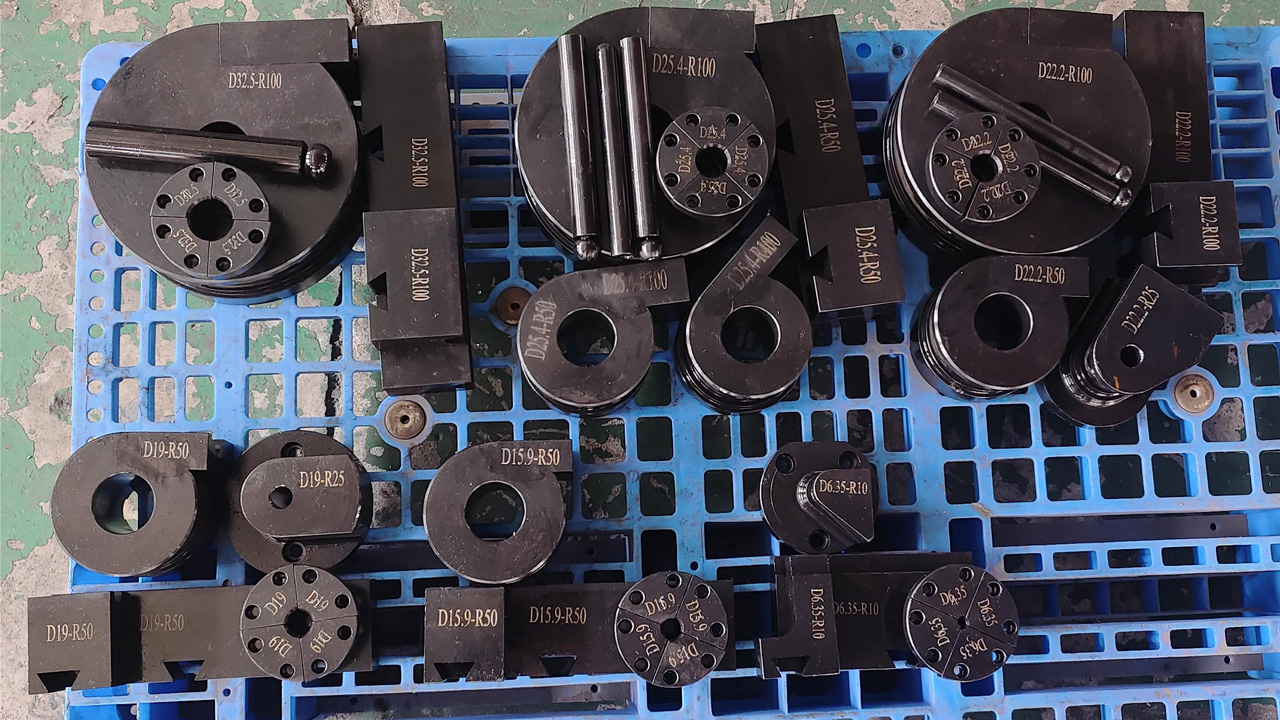
Each component plays a key role in achieving high-quality bending.
Bending Die
The bending die determines the bending radius and controls tube shape.
Functions:
- Control bending radius
- Maintain tube roundness
- Improve accuracy
High precision bending dies improve production consistency.
Pressure Die
The pressure die supports the tube during bending.
Functions:
- Reduce deformation
- Support tube
- Improve bending quality
Pressure die assist is especially important for thin wall tubes.
Mandrel
The mandrel supports the tube internally.
This is essential for:
- Small radius bending
- Thin wall tubes
- Stainless steel tubes
Mandrels prevent tube collapse and improve bending quality.
Wiper Die
The wiper die prevents wrinkles inside the bend.
Benefits:
- Reduce wrinkles
- Improve surface finish
- Improve bending accuracy
Single Layer Tooling Installation
Single layer tooling is commonly used for standard bending production.
Advantages:
- Easy installation
- Lower tooling cost
- Suitable for simple parts
To better understand single-layer tooling installation, watch the video below:
(https://youtu.be/B9lQvzuTFoc?si=WEoozIhOFlNDdW1_— Single Layer Tooling)
This video shows how single-layer tooling is installed and adjusted for production.
Multi Layer Tooling Installation
Multi-layer tooling allows multiple dies installed at the same time.
Advantages:
- Reduce tool change time
- Improve efficiency
- Suitable for complex bending
Multi-layer tooling is widely used in:
- Automotive industry
- Furniture manufacturing
- HVAC industry
Watch multi-layer tooling installation below:
(https://youtu.be/M6JleE3aWlM?si=zIEwqMvBTOILXna-— Multi Layer Tooling)
This video demonstrates how multi-layer tooling improves production efficiency.
Applications of Tube Bending Tooling
Tube bending tooling is widely used in:
Automotive industry
Furniture industry
HVAC industry
Construction industry
Metal fabrication industry
Conclusion
Tube bending tooling plays a key role in achieving high precision tube bending results. Understanding tooling components such as bending die, mandrel, pressure die, and wiper die helps manufacturers improve production efficiency and quality.
Modern CNC tube bending machines combined with proper tooling can produce complex and high precision tube parts efficiently.