English
 français
 русский
 español
 português
 العربية
 Türkçe
 ไทย
ไทย Tiếng việt
 chinese
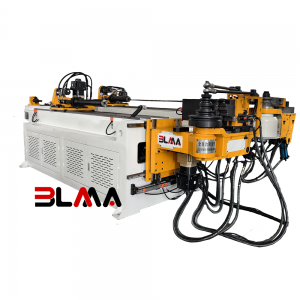
Electric Press Brake vs Hydraulic Press Brake: Which One Saves More Energy and Improves Productivity?
With rising energy costs and increasing demand for high-precision manufacturing, more companies are comparing electric press brakes and hydraulic press brakes. Manufacturers are no longer only focusing on machine price, but also on power consumption, efficiency, maintenance cost, and productivity.
Electric press brakes are becoming increasingly popular in modern sheet metal fabrication. However, hydraulic press brakes still remain widely used in heavy-duty applications. This article provides a detailed comparison between electric press brake vs hydraulic press brake.
Electric Press Brake Technology Overview
An electric press brake uses servo motors to drive the ram directly, eliminating hydraulic systems completely. This results in:
- Lower energy consumption
- Higher precision
- Reduced maintenance
- Cleaner working environment
Electric press brakes only use power during bending operations. When idle, power consumption is extremely low.
This makes electric press brakes ideal for:
- Precision sheet metal fabrication
- Thin material bending
- Small and medium tonnage machines
- Energy-efficient production
Hydraulic Press Brake Technology Overview
A hydraulic press brake uses hydraulic cylinders powered by oil pressure to perform bending operations. Hydraulic press brakes offer:
- Strong bending force
- Stable performance
- Large tonnage capability
Hydraulic press brakes are widely used in:
- Heavy machinery manufacturing
- Construction steel fabrication
- Thick plate bending
- Industrial production lines
Hydraulic press brakes remain the preferred choice for heavy-duty applications.
Power Consumption Comparison
Power consumption is one of the most important factors when comparing electric press brake vs hydraulic press brake.
Electric Press Brake:
- Servo motors operate only when needed
- No hydraulic pump running continuously
- Lower idle power consumption
Hydraulic Press Brake:
- Hydraulic pump runs continuously
- Oil heating and cooling required
- Higher overall power consumption
Electric press brakes can reduce power consumption significantly, especially in long-term production environments.
This makes electric press brakes attractive for manufacturers seeking energy-saving press brake solutions.
Productivity Comparison
Electric press brakes also offer productivity advantages:
- Faster response speed
- Accurate positioning
- High repeatability
These features improve production efficiency, especially in precision bending applications.
Hydraulic press brakes provide stable performance, but electric press brakes often offer faster cycle times for small and medium tonnage machines.
Maintenance and Operating Cost Comparison
Electric Press Brake Advantages:
- No hydraulic oil
- No oil leakage
- Reduced maintenance
Hydraulic Press Brake Requirements:
- Oil replacement
- Pump maintenance
- Seal and valve replacement
Electric press brakes often result in lower long-term operating costs.
Noise and Environmental Benefits
Electric press brakes offer:
- Low noise operation
- Cleaner environment
- Reduced heat generation
This is beneficial for modern factories focusing on workplace safety and environmental standards.
Hybrid Press Brake as a Middle Option
Hybrid press brakes combine:
- Servo motor technology
- Hydraulic systems
Advantages:
- Improved energy efficiency
- Strong bending force
- Balanced performance
Hybrid press brakes are becoming increasingly popular as a transition between hydraulic and electric press brakes.
When to Choose Electric Press Brake
Electric press brakes are suitable for:
- Precision bending
- Energy-saving requirements
- Small to medium tonnage
- Clean workshop environments
When to Choose Hydraulic Press Brake
Hydraulic press brakes are suitable for:
- Heavy-duty bending
- Thick materials
- Large tonnage machines
- Continuous industrial production
Market Trend: Electric Press Brakes Are Growing
More manufacturers are adopting electric press brakes due to:
- Rising energy costs
- Higher precision requirements
- Lower maintenance costs
Electric press brakes are becoming an important trend in modern sheet metal fabrication.
However, hydraulic press brakes remain essential for heavy-duty industrial applications.
Conclusion
Electric press brakes provide:
- Energy savings
- High precision
- Low maintenance
Hydraulic press brakes provide:
- Strong force
- Heavy-duty capability
- Stable performance
Choosing between electric press brake vs hydraulic press brake depends on production requirements, material thickness, and budget.
As technology continues to evolve, electric press brakes are expected to play a growing role in the future of sheet metal bending.
Explore more press brake solutions:
https://www.blmamachinery.com