English
 français
 русский
 español
 português
 العربية
 Türkçe
 ไทย
ไทย Tiếng việt
 chinese
Introduction
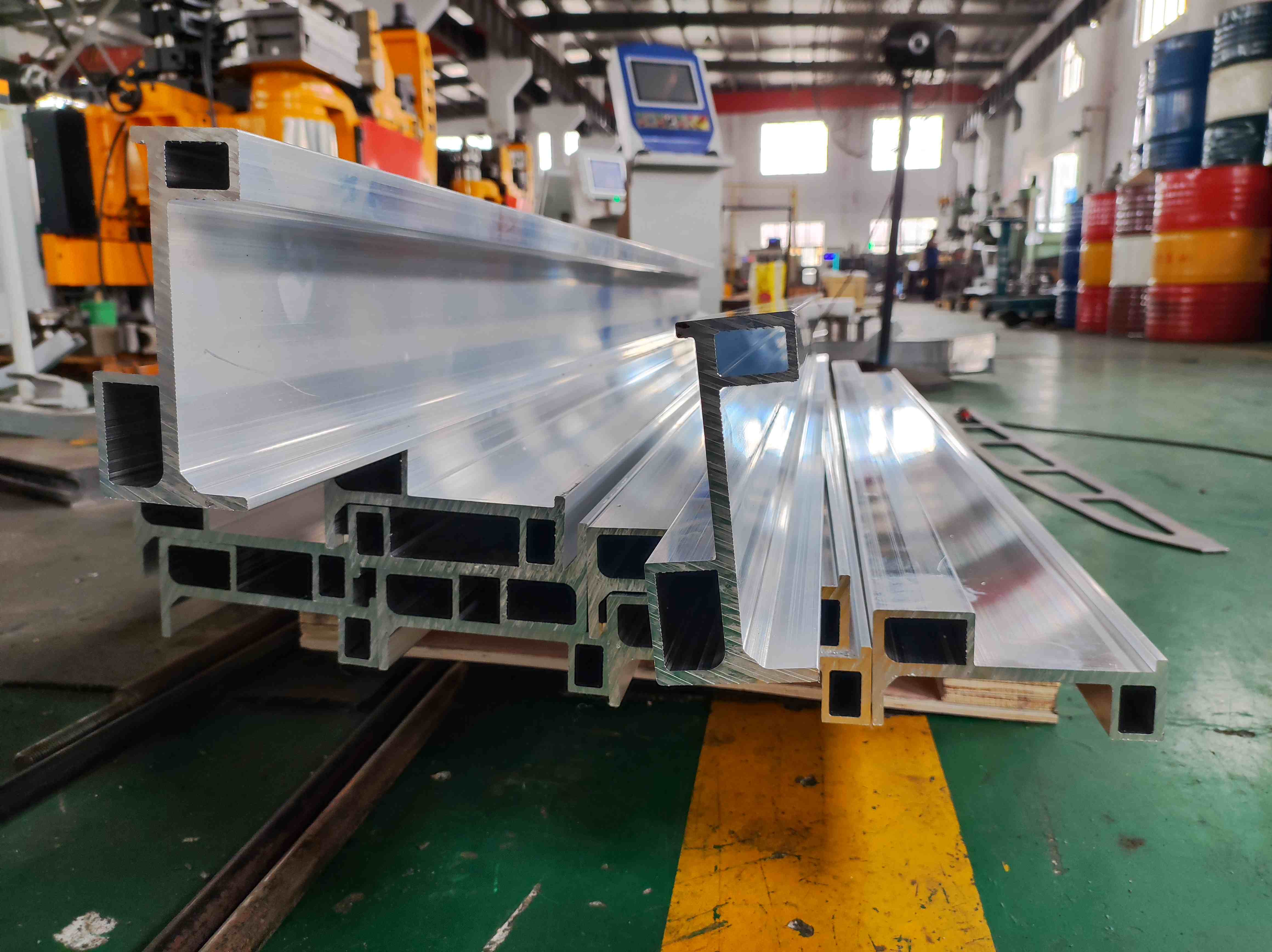
In industries such as architecture, automotive, furniture, medical equipment, and fitness equipment, aluminum profiles are increasingly used because they are lightweight, corrosion resistant, and visually attractive. Many of these products are anodized or powder coated before bending, which means any scratch or dent can lead to rejected parts and costly rework.
The challenge is not simply bending aluminum. The real challenge is maintaining a flawless decorative surface while achieving accurate and repeatable curves.
This guide explains how professional manufacturers prevent scratches during aluminum profile bending through proper tooling design, machine selection, and process control.
Table of Contents
- Why Aluminum Profiles Scratch During Bending
- The Role of Nylon Tooling
- How Combination Tooling Works
- Machine Features Required for Non-Marking Bending
- Process Parameters That Protect Surface Quality
- Industries That Require Scratch-Free Bending
- Common Quality Problems and Solutions
- Choosing the Right CNC Tube Bending Machine
- Why BLMA Is Trusted Worldwide
1. Why Aluminum Profiles Scratch During Bending
Aluminum extrusions often have decorative finishes that are highly sensitive to pressure and friction. During bending, scratches usually result from:
- Direct contact with hardened steel tooling
- Excessive clamp pressure
- Poor lubrication
- Misaligned tooling
- Inconsistent machine motion
Even small marks can make premium products unacceptable.
2. The Role of Nylon Tooling
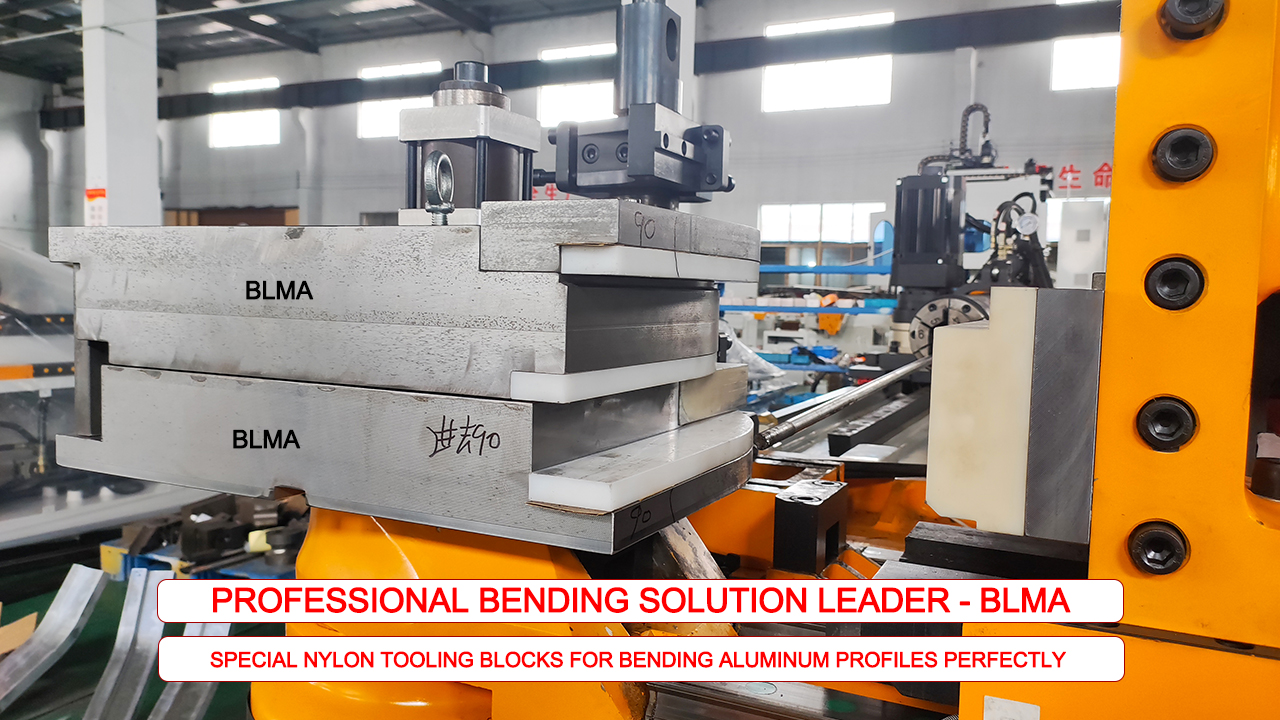
Nylon inserts protect the aluminum surface by creating a softer contact layer.
Benefits include:
- Non-marking contact
- Lower friction
- Uniform pressure distribution
- Easy replacement
- Reduced scrap rates
For high-end architectural and automotive parts, nylon tooling is widely considered essential.
3. How Combination Tooling Works
The most effective design combines:
- Steel structural components for rigidity
- Nylon contact surfaces for protection
This approach provides both precision and surface safety, making it ideal for demanding applications.
4. Machine Features Required for Non-Marking Bending
A professional machine should include:
- Multi-axis CNC control
- Servo precision positioning
- Stable clamping pressure
- Mandrel and wiper support
- 3D simulation capabilities
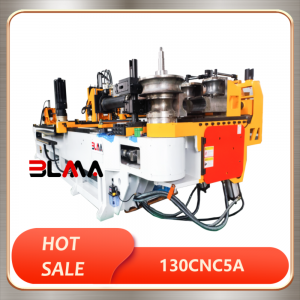
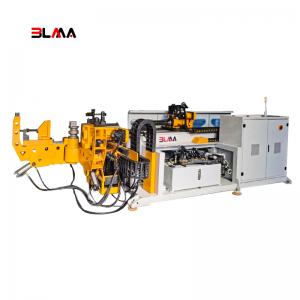
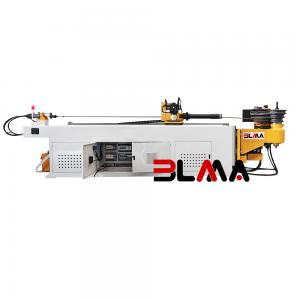
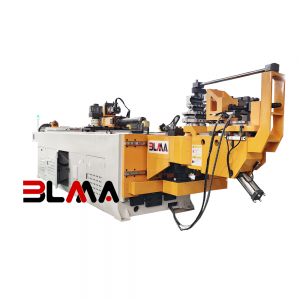
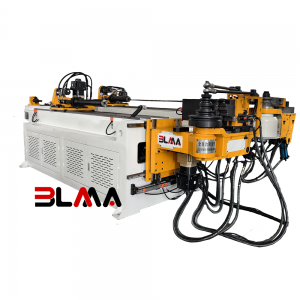
BLMA CNC tube bending machines are engineered specifically for these requirements.
5. Process Parameters That Protect Surface Quality
Critical settings include:
- Clamp pressure
- Boost pressure
- Bending speed
- Mandrel position
- Wiper die adjustment
- Lubrication
Careful optimization ensures flawless results.
6. Industries That Require Scratch-Free Bending
- Curtain wall and window systems
- Automotive trim and roof rails
- Electric vehicle components
- Medical equipment
- Premium furniture
- Fitness equipment
- Solar systems
7. Common Quality Problems and Solutions
| Problem | Cause | Solution |
|---|---|---|
| Scratches | Steel-to-metal contact | Nylon inserts |
| Coating cracks | Radius too tight | Increase bend radius |
| Wrinkles | Inadequate support | Use mandrel |
| Indentations | Excessive pressure | Reduce clamp force |
8. Choosing the Right CNC Tube Bending Machine
When selecting a machine, consider:
- Profile shape
- Material temper
- Surface finish
- Bend radius
- Production volume
A fully programmable CNC system with custom tooling is the best choice for premium aluminum products.
9. Why BLMA Is Trusted Worldwide
BLMA supplies:
- CNC tube bending machines
- Fully electric bending machines
- Custom nylon and steel tooling
- Process development
- Sample testing
- Global technical support
Manufacturers worldwide rely on BLMA to produce visually flawless aluminum components.
Conclusion
Scratch-free aluminum profile bending requires much more than standard tooling. By combining nylon and steel tooling, advanced CNC control, and optimized process parameters, manufacturers can produce premium curved aluminum components with outstanding appearance and precision.
If you are looking for a reliable supplier of aluminum profile bending machines and custom tooling, BLMA can provide a complete solution tailored to your drawings and production requirements.