English
 français
 русский
 español
 português
 العربية
 Türkçe
 ไทย
ไทย Tiếng việt
 chinese
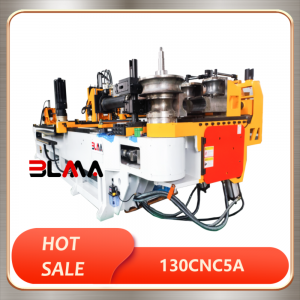
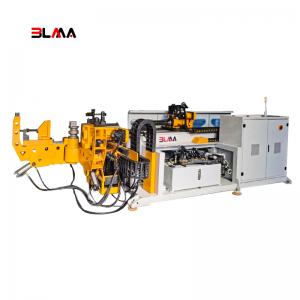
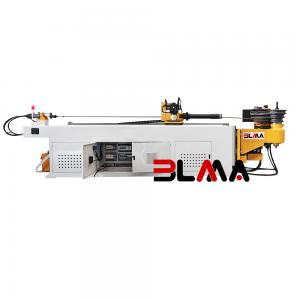
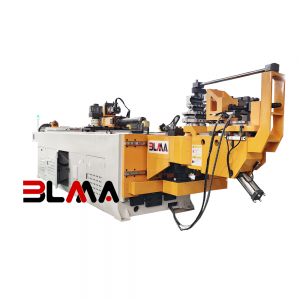
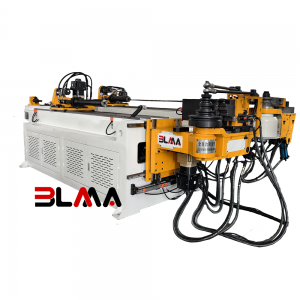
Tube Bending for HVAC Systems: Precision Solutions for Modern Manufacturing
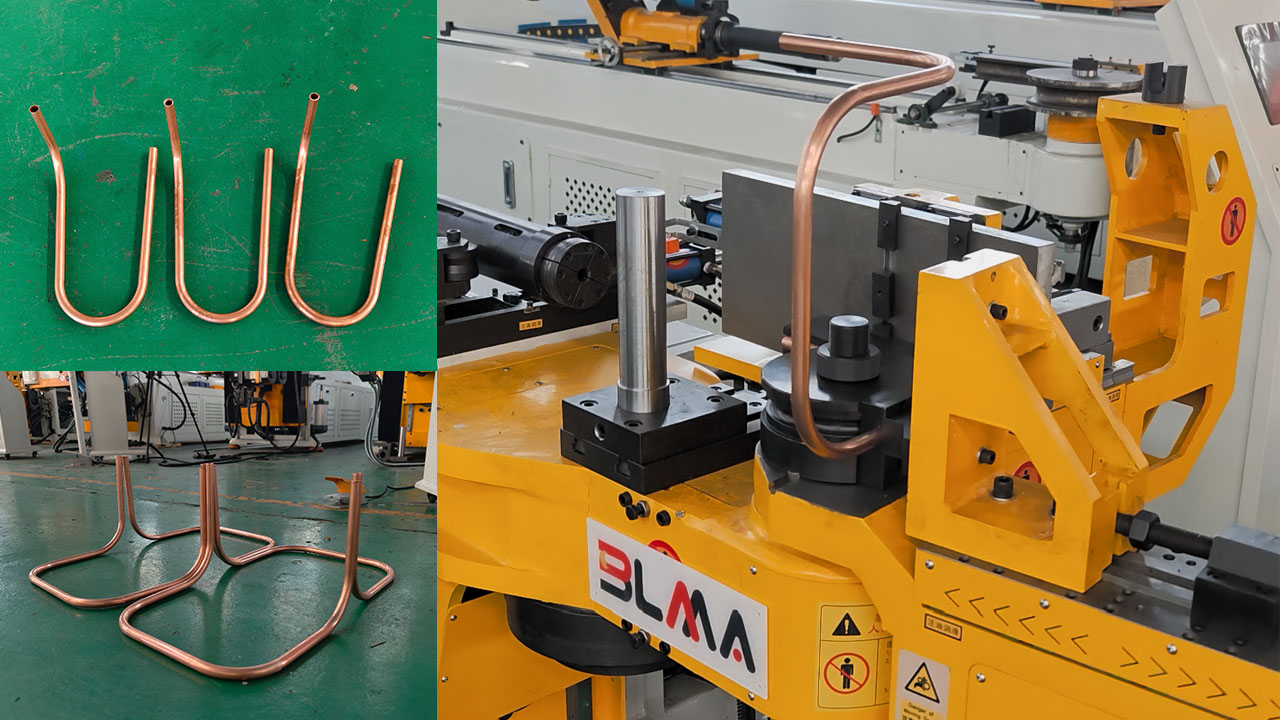
HVAC systems rely on precisely formed tubing to deliver efficient heat transfer, reliable refrigerant flow, and compact structural design. Whether in condenser assemblies, evaporator units, air conditioning lines, or integrated piping modules, tube geometry influences not only product performance but also the efficiency of the manufacturing process itself. That is why tube bending has become a key production capability in modern HVAC manufacturing.
The phrase “tube bending for HVAC systems” is broader than simply shaping a metal tube. In practice, it refers to a manufacturing solution that must balance material behavior, bend quality, production efficiency, and downstream assembly requirements. For manufacturers working with copper, aluminum, or stainless tubing, the challenge is not just making a bend. It is making the right bend, at the right speed, with the right repeatability, at industrial scale.
Why Precision Tube Bending Matters in HVAC Manufacturing
HVAC assemblies often contain tubing that must fit within compact spaces while maintaining correct fluid or gas flow. A poorly executed bend can cause multiple problems:
- reduced internal flow efficiency
- wall thinning in critical areas
- wrinkling on the inside radius
- inconsistent fit during assembly
- greater risk of leakage or rework
In a competitive manufacturing environment, these problems translate directly into cost. Material waste rises. Assembly time increases. Product consistency suffers. This is why precision tube bending has become essential for HVAC system manufacturers that want to improve both product quality and factory efficiency.

Common HVAC System Components That Require Tube Bending
Tube bending is widely used in the production of:
- condenser coils
- evaporator tubing
- refrigerant lines
- distribution manifolds
- process piping assemblies
- connection tubes for compact HVAC units
Different HVAC products place different demands on the bending process. Some require tight radii in thin-wall copper tube. Others involve higher-strength materials or more complex multi-bend parts. Because of this, manufacturers need a bending solution that is not only accurate, but adaptable.
Main Challenges in Tube Bending for HVAC Systems
Thin-wall tube deformation
Copper and aluminum tubes commonly used in HVAC can deform easily during bending. Without proper process control, the tube may flatten, wrinkle, or crack.
Springback and bend consistency
Even when tubes appear correctly bent, uncontrolled springback can affect dimensional accuracy and cause problems in later assembly.
Complex part geometry
HVAC designs often require multiple bends in different planes. Manual methods struggle to maintain consistency in these parts.
Production efficiency
As output requirements increase, manufacturers need faster cycle times without sacrificing quality.
These challenges are why many HVAC producers move away from purely manual or semi-automatic methods and adopt CNC-based bending systems.
How CNC Technology Supports HVAC Tube Bending
CNC tube bending machines give manufacturers greater control over the bending process by allowing precise programming of feed length, rotation angle, bend angle, and sequence. For HVAC production, this brings several benefits:
- higher repeatability
- reduced setup variability
- lower operator dependency
- better suitability for complex geometries
- easier integration into automated production cells
For companies planning to scale output or improve consistency across product lines, CNC bending becomes a practical manufacturing advantage rather than just a machine upgrade.
A relevant machine example can be found here:
2025 DW63CNC 5AMSV Fully Automatic 5-Axis CNC Pipe Bending Machine
Choosing the Right Tube Bending Approach for HVAC Systems
The right solution depends on several factors:
- tube diameter and wall thickness
- material type
- required bend radius
- annual production volume
- number of part variants
- downstream assembly requirements
A manufacturer producing standardized high-volume parts may prioritize speed and automation. A manufacturer making multiple part styles may prioritize flexibility and fast program changeover. In either case, the best bending solution is one that matches real production needs rather than theoretical machine capacity alone.
Video Demonstration
You can see a practical example of tube bending equipment here:
Watch on YouTube
Including a video on this page is valuable not only for users but also for page engagement. It helps visitors understand machine motion, bending stability, and actual production capability more quickly than text alone.
External Industry Perspective
For readers interested in the future direction of tube fabrication, this article provides more context:
Why Multi-Stack Tube Bending Machines Are the Future of Tube Fabrication
Related Pages
You may also want to read:
Conclusion
Tube bending for HVAC systems is not just a fabrication step. It is a critical part of manufacturing quality, production efficiency, and final system reliability. As HVAC products become more compact, more precise, and more volume-driven, manufacturers need tube bending solutions that combine bend quality with industrial repeatability.
A well-matched CNC bending solution helps reduce waste, improve assembly fit, and support long-term production growth. For HVAC manufacturers that want to build stronger production capability, tube bending is one of the most important areas to optimize.